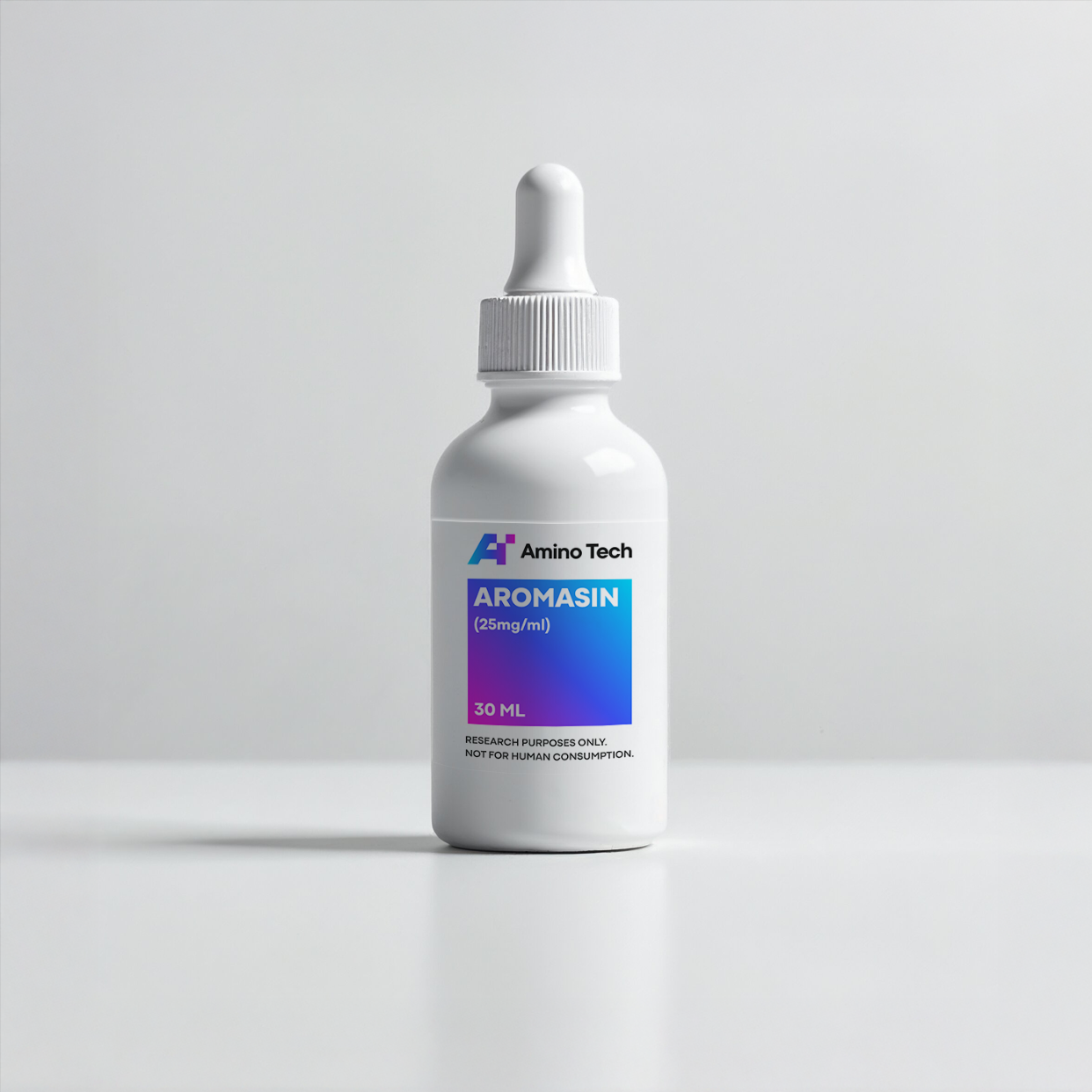

What is Aromasin?
Aromasin (exemestane) is a steroidal aromatase inhibitor (AI) originally developed for the treatment of hormone receptor-positive breast cancer. Unlike non-steroidal AIs such as anastrozole, exemestane is a steroidal suicide inhibitor, meaning it permanently binds and deactivates the aromatase enzyme rather than competing with it reversibly. This distinction matters in practice: Aromasin permanently disables each aromatase molecule it binds to, making rebound estrogen less likely after discontinuation compared to non-steroidal AIs. In the performance and hormone management space, it is used to control estrogen during aromatizable anabolic steroid cycles and in post-cycle therapy to prevent estrogen from suppressing the recovery of endogenous testosterone production.
Mechanisms of Action
Irreversible aromatase inhibition by permanently binding to and deactivating the aromatase enzyme, which blocks the conversion of androgens into estrogens at the source rather than competing with substrates reversibly
Suicide inhibitor mechanism meaning each exemestane molecule permanently inactivates one aromatase enzyme unit, creating a more durable suppression of estrogen synthesis compared to non-steroidal AIs
Reduced estrogen rebound risk as a consequence of the irreversible binding mechanism, with new aromatase enzyme needing to be synthesized before estrogen production can recover after stopping use
HPG axis support during PCT by reducing the estrogen-mediated negative feedback on the hypothalamus and pituitary, allowing LH and FSH to rise and endogenous testosterone production to resume
Benefits
Estrogen management on cycle controlling estrogen-related side effects from aromatizable anabolic steroids including gynecomastia, water retention, and blood pressure elevation driven by excess estrogen
Lower rebound risk than non-steroidal AIs due to the irreversible enzyme binding, which makes it a preferred choice for users concerned about estrogen spiking back after stopping an AI
Post-cycle therapy support by removing estrogen-driven suppression of the HPG axis, creating conditions for faster recovery of natural testosterone production after a cycle
Harder, drier physique as reduced estrogen lowers water retention and subcutaneous fluid accumulation, contributing to improved definition and vascularity
Dosing
Dose Level | Dose | Frequency |
|---|---|---|
Low | 12.5 mg | Every other day |
Standard | 12.5–25 mg | Daily |
High | 25 mg | Daily |
Only use when bloodwork confirms elevated estrogen levels. Do not use Aromasin prophylactically as a default addition to a cycle without confirming the need through labs. Regular monitoring is essential to prevent over-suppression and the complications that come with crashed estrogen.
Warning: Crashing estrogen with an AI is a serious risk and the symptoms, including joint pain, ED, fatigue, and mood crashes, can be worse than high estrogen itself. Always dose based on bloodwork and adjust conservatively. Do not use daily at high doses without confirmed need.
Safety Profile
Estrogen depletion symptoms including joint pain, stiffness, low libido, and fatigue when estrogen is suppressed too aggressively, the primary risk with any AI use
Bone health concerns with long-term estrogen suppression reducing bone mineral density over time, increasing fracture risk with prolonged use
Cardiovascular lipid changes as estrogen plays a protective role in lipid metabolism and reducing it too far can negatively shift cholesterol profiles
General side effects including fatigue, headache, and hot flashes, more common at higher doses or when estrogen is being pushed below optimal levels
Citations
Mauras, N., et al. Anastrozole and testosterone in adolescent males with pubertal delay. PubMed. https://pubmed.ncbi.nlm.nih.gov/21602575/
Disclaimer: The information provided is intended solely for educational purposes and should not be considered a replacement for professional medical advice. All compounds referenced are not for human consumption.