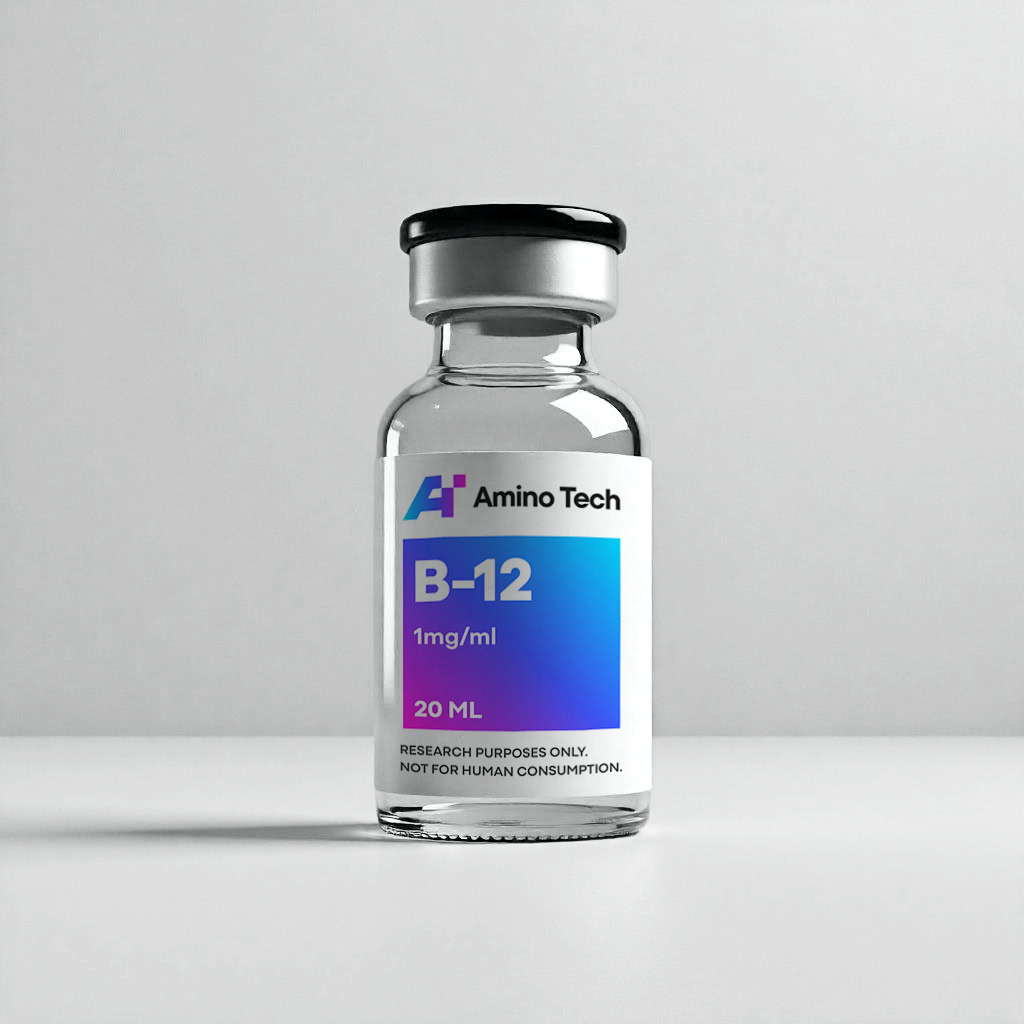

What is B-12 (Injectable)?
Vitamin B-12, chemically known as cobalamin, is a cobalt-containing water-soluble vitamin essential for nerve function, DNA synthesis, red blood cell production, and energy metabolism. The body cannot produce B-12 on its own, making adequate intake through diet or supplementation necessary for normal physiological function. Injectable B-12 bypasses the digestive system entirely, delivering cobalamin directly into circulation for significantly higher bioavailability than oral forms, which are limited by intrinsic factor absorption in the gut. This makes the injectable format particularly valuable for individuals with absorption issues, those in high-demand training contexts, or anyone who wants to confirm their levels are actually being replenished rather than partially absorbed. Bloodwork is the most reliable way to monitor response and adjust dosing accordingly.
Mechanisms of Action
Enzymatic cofactor activity serving as an essential cofactor for methionine synthase and methylmalonyl-CoA mutase, two enzymes critical to methylation, fatty acid metabolism, and the conversion of homocysteine to methionine
Red blood cell maturation supporting the production of healthy erythrocytes by enabling proper DNA synthesis during cell division in the bone marrow, with deficiency leading to megaloblastic anemia
Myelin sheath maintenance playing a structural and synthetic role in the production of the myelin that insulates nerve fibers, with deficiency producing the neurological symptoms classically associated with B-12 deficiency
Homocysteine regulation converting homocysteine to methionine through methylation reactions, reducing circulating homocysteine levels and contributing to cardiovascular health
Neurotransmitter synthesis support as an upstream contributor to serotonin and dopamine production through its role in methylation and amino acid metabolism
Benefits
Energy metabolism support as a key cofactor in converting dietary fats and carbohydrates into usable cellular energy, with deficiency commonly presenting as fatigue and low energy output
Red blood cell formation and oxygen delivery ensuring healthy erythrocyte production and preventing anemia, which directly supports endurance, recovery, and overall physical performance
Neurological function and nerve health maintaining myelin sheath integrity and supporting healthy nerve conduction, with adequate B-12 protecting against numbness, tingling, and cognitive decline
DNA synthesis and cell growth enabling proper cell division across all tissues, making it especially relevant during periods of rapid muscle repair and adaptation following training
Cardiovascular health through homocysteine regulation, reducing a key independent risk factor for cardiovascular disease when levels are kept in check
Mood and mental well-being via its role in neurotransmitter synthesis, with adequate B-12 supporting serotonin production and contributing to emotional stability
Dosing
Phase | Dose | Frequency |
|---|---|---|
Loading phase | 100–200 mcg | Daily for approximately 1 week |
Maintenance phase | 100–200 mcg | 1 to 2 times per week for 4 weeks |
Long-term maintenance | 100–200 mcg | Once per month once levels are stable |
The protocol above is a general framework. Individual response varies significantly depending on baseline deficiency level and how efficiently the body processes B-12. Bloodwork is the most reliable tool for calibrating dose and frequency. Load for a week to replenish stores, taper to a maintenance schedule once levels improve, and confirm with labs before adjusting further in either direction.
Note: Do not guess on dosing without reference to bloodwork. Over-supplementing is generally well tolerated but extremely high doses over extended periods may stress kidney function. Rare allergic reactions are possible, so monitor for any unusual response after the first injection.
Safety Profile
Allergic reactions rare but possible, presenting as itching, swelling, or in severe cases difficulty breathing; monitor after the first injection
Digestive discomfort more relevant to oral supplementation and largely avoided with the injectable format due to bypassing the gastrointestinal tract
Hypervitaminosis risk generally very low as B-12 is water-soluble and excess is excreted, but extremely high chronic doses may warrant kidney function monitoring
Citations
O'Leary, F., Samman, S. Vitamin B12 in health and disease. Nutrients. PubMed. https://pubmed.ncbi.nlm.nih.gov/22121723/
Banerjee, R., Ragsdale, S. W. The many faces of vitamin B12: catalysis by cobalamin-dependent enzymes. Annual Review of Biochemistry. PubMed. https://pubmed.ncbi.nlm.nih.gov/14527311/
Disclaimer: The information provided is intended solely for educational purposes and should not be considered a replacement for professional medical advice. All compounds referenced are not for human consumption.