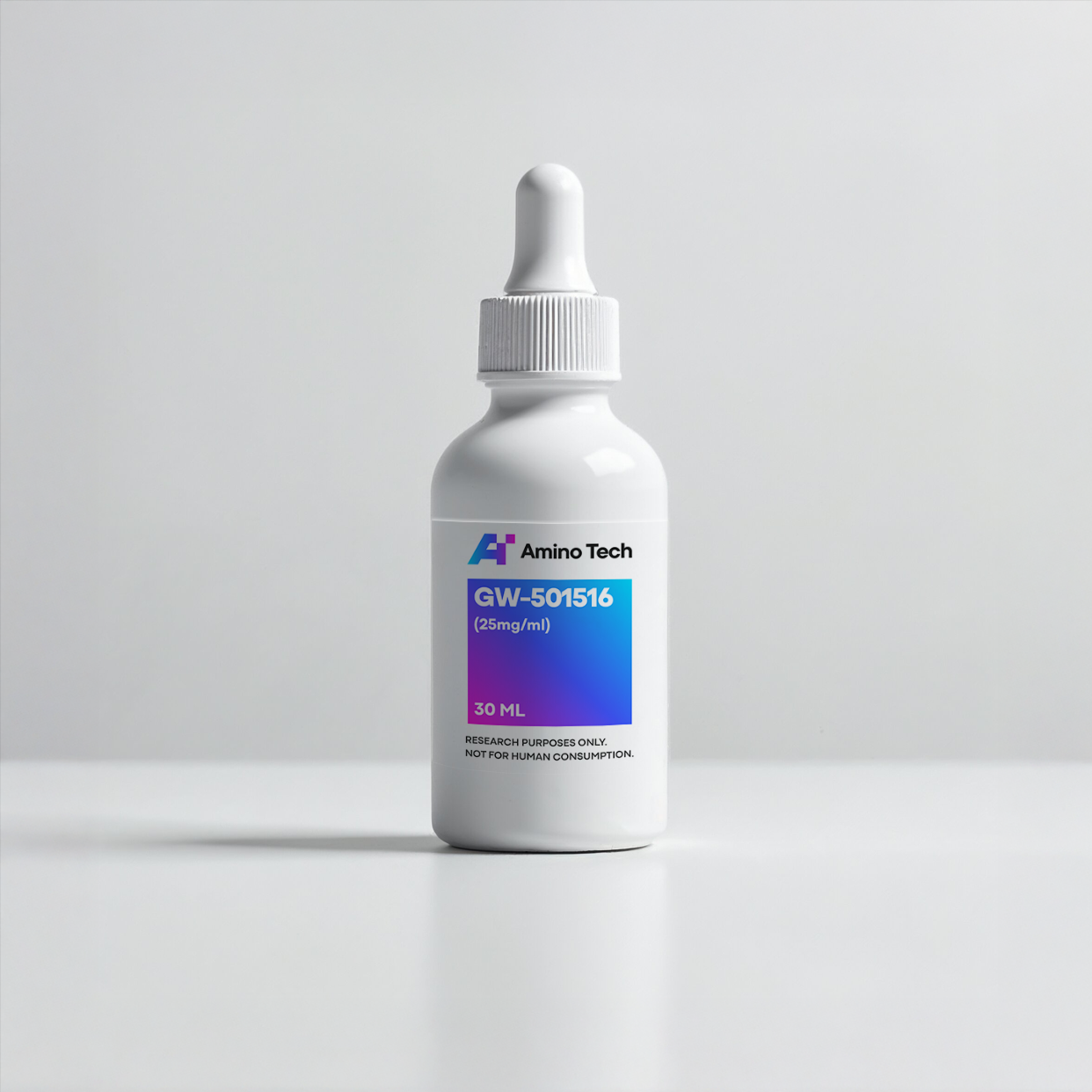

What Is Cardarine (GW-501516)?
Cardarine (GW-501516) is a synthetic compound discussed as a PPARδ agonist, meaning it targets metabolic receptors involved in energy utilization and fuel partitioning rather than androgen receptors. It is often grouped with performance compounds, but it is not a SARM and does not work through the androgen receptor pathway. In research and athletic circles, it is primarily referenced for endurance support, fat metabolism signaling, and cardio performance enhancement.
Mechanisms of Action
Cardarine is works by activating PPARδ driven pathways that influence how the body produces energy and adapts to endurance demands:
Activates PPARδ receptors involved in metabolic and energy regulation
Shifts substrate use toward increased fat metabolism and improved fuel efficiency signals
Enhances endurance and stamina output by improving metabolic economy
Supports cardiovascular related markers in some research narratives, including inflammation modulation
May influence muscle fiber characteristics, with discussion around shifting fast twitch toward more slow twitch like endurance adaptation
Benefits
Increased endurance and stamina, especially for cardio and longer training sessions
Fat loss support through improved fat metabolism and energy utilization signals
Cardiovascular health interest, including inflammation and heart health discussions
Lean mass preservation themes during cutting phases, supporting recomposition goals
Increased mental energy and perceived overall drive during low calorie phases
Dosing
Strength | Dose |
|---|---|
Low | 10 mg per day |
Medium | 10 to 20 mg per day |
High | 20 mg per day |
Notes: Cardarine is often run either a few times per week to support cardio and fat loss, or used in a tighter 4 to 6 week window during a cutting phase when energy is depleted and endurance drops. Many prefer timing it around the portion of a cut where training output is hardest to maintain.
Safety Profile
Key concerns and potential side effects:
Cancer related safety concerns based on animal research signals, with human long term safety remaining uncertain
Limited clinical data in humans, meaning long term risk and benefit profiles are not well defined
Banned by many sports organizations, creating regulatory and ethical issues for competitive athletes
Potential interactions with medications or supplements, especially in individuals with underlying conditions
Performance adaptation discussions include possible muscle fiber shifting toward more endurance oriented characteristics
Because long term human safety data is limited and cancer concerns have been raised in preclinical research, A healthcare professional should be consulted before usage.
Disclaimer: The information provided is intended solely for educational purposes and should not be considered a replacement for professional medical advice. All compounds referenced are not for human consumption.