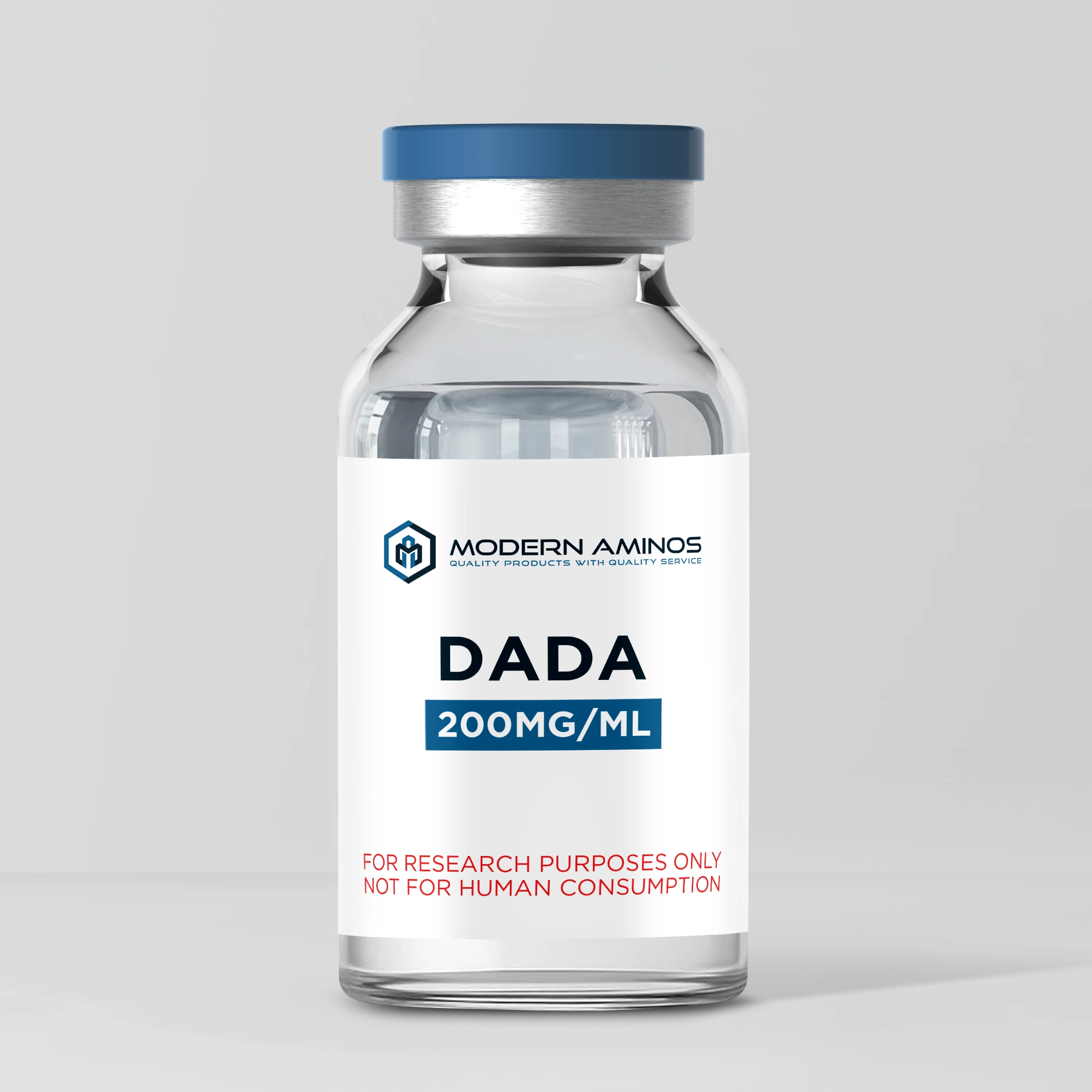

What Is DADA?
DADA (Diisopropylamine Dichloroacetate) is a dichloroacetate related compound discussed in research settings for mitochondrial metabolism support, aerobic performance signaling, and lactate management. It is commonly framed as a metabolic modulator that shifts energy production toward more efficient oxidative pathways, which is why it draws interest from endurance focused athletes and biohackers. Mechanistically, it is often described through the same general framework as DCA, centered on pyruvate handling and mitochondrial throughput.
Mechanisms of Action
Inhibits pyruvate dehydrogenase kinase (PDK), allowing more pyruvate to enter the Krebs cycle
Increases acetyl CoA availability to support more efficient ATP production
Shifts energy output away from anaerobic glycolysis toward oxidative phosphorylation
Reduces lactate accumulation signals, which can delay fatigue and improve endurance style performance
Encourages greater fat oxidation versus glucose reliance in some metabolic narratives
Supports mitochondrial function linked neuroprotective and cognitive resilience signaling
Benefits
Increased endurance and stamina through improved oxygen efficiency and aerobic output
Delayed muscle fatigue via lower lactate buildup and improved metabolic efficiency
Enhanced mitochondrial health and ATP production, supporting cellular energy and longevity signaling
Potential fat loss support through improved fat oxidation and body recomposition oriented metabolism
Cognitive and neuroprotective interest tied to stronger mitochondrial function in neural tissue
Liver health support signals discussed in some contexts
Synergy discussions with melatonin, with some reporting reduced melatonin grogginess
Dosing
Strength | Oral | Injectable |
|---|---|---|
Average | 300 mg per day | 200 to 250 mg per day |
DADA is often timed upon waking before fasted cardio, or used pre workout when the goal is muscular endurance, especially for high fatigue sessions like leg training.
It may also be utilized pre bed alongside melatonin to reduce perceived next day grogginess. It has a buildup effect, where more consistent use produces more noticeable results.
Safety Profile
Gastrointestinal discomfort such as nausea, diarrhea, or bloating
Mild headaches during metabolic shifting periods
Hypoglycemia risk signals in glucose sensitive individuals due to increased glucose utilization
Increased body temperature and thermogenesis related effects
Overreaching or overtraining risk signals, since improved metabolic throughput can mask fatigue and recovery limits
Because compounds that increase metabolic throughput can change training tolerance and blood sugar dynamics, researchers typically emphasize conservative ramping, hydration, and recovery monitoring, especially in high output training blocks.
Stacking
Can be stacked with Calcium Pyruvate to improve effectiveness
Disclaimer: The information provided is intended solely for educational purposes and should not be considered a replacement for professional medical advice. All compounds referenced are not for human consumption.