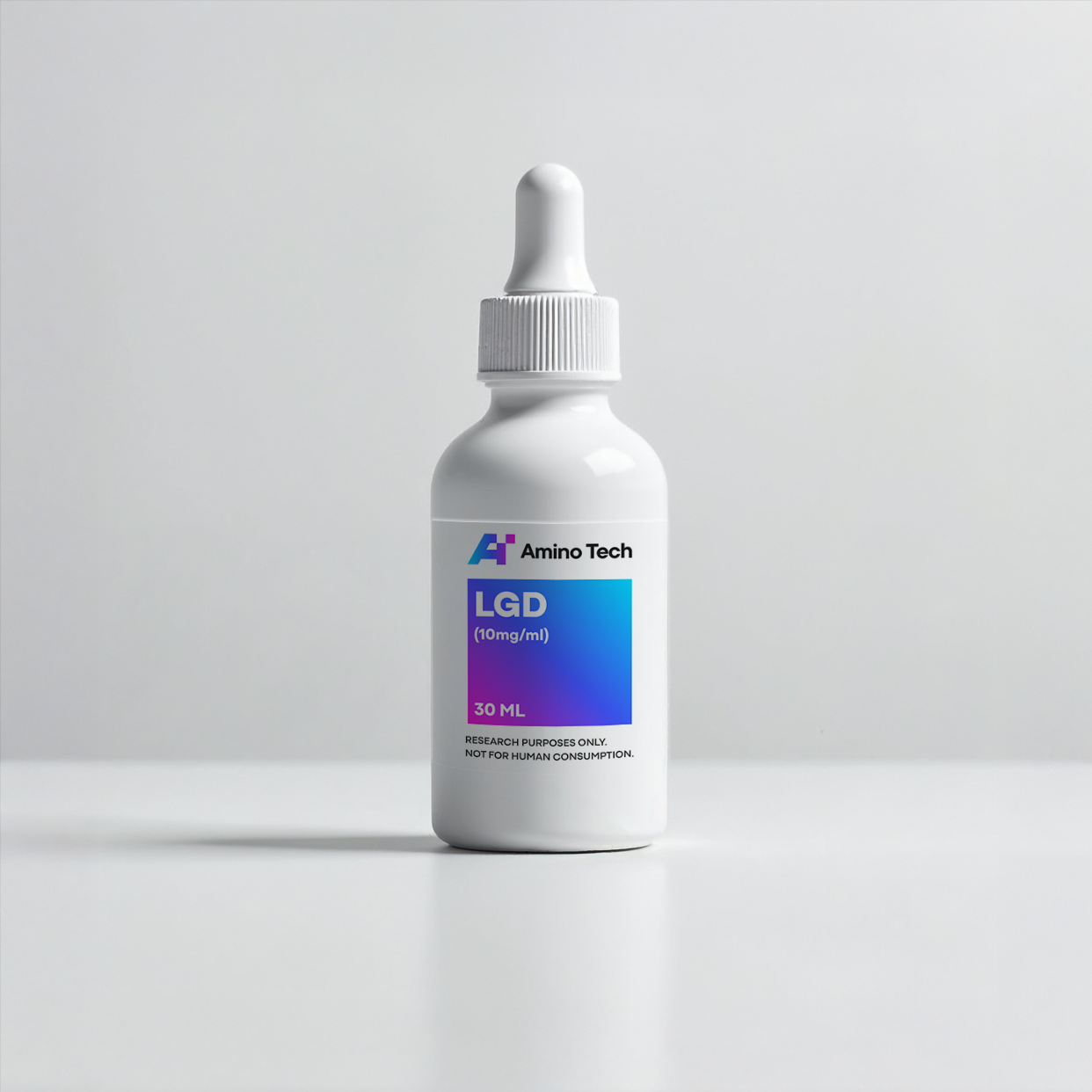

What is LGD?
LGD, also known as Ligandrol, is a synthetic selective androgen receptor modulator (SARM) originally developed to treat muscle wasting, osteoporosis, and hormone-related conditions. It selectively binds androgen receptors in muscle and bone tissue with high affinity, promoting significant muscle growth and fullness without the full androgenic burden of traditional anabolic steroids. Among SARMs, LGD is widely regarded as one of the most effective bulking options available, producing a full and powerful look that is often compared to the effect of Dianabol due to the water retention and muscle volumization it produces. It is also notably joint-friendly and hair-safe compared to more androgenic compounds, making it a practical choice for users who need to be mindful of those concerns.
Mechanisms of Action
High-affinity androgen receptor binding selectively activating androgen receptors in muscle and bone tissue, driving anabolic gene transcription, nitrogen retention, and protein synthesis without broad systemic androgenic activity
Muscle volumization and glycogen retention contributing to the full and watery appearance LGD is known for, which also provides a joint-protective effect by increasing lubrication and cushioning in connective tissue
Endogenous testosterone suppression via HPG axis feedback inhibition, with LGD producing meaningful suppression of LH and FSH during use and requiring a structured PCT after each cycle
Bone density support through androgen receptor activity in skeletal tissue, consistent with its original medical research context targeting osteoporosis and muscle wasting conditions
Benefits
Significant muscle mass gains with LGD widely considered the most effective bulking SARM available, capable of substantial lean mass accumulation within an 8 to 10 week cycle
Fuller, more powerful physique the signature LGD aesthetic, producing a volumized and powerful look driven by muscle fullness and water retention similar in character to wet oral steroids
Enhanced recovery with users reporting reduced muscle soreness and faster turnaround between sessions, supporting higher training frequency and volume
Joint protection the water retention that LGD produces provides meaningful cushioning for joints, making it a better choice than drier compounds like RAD-140 for users with existing joint concerns
Hair safe profile with LGD considered one of the most hair-friendly options in the SARM category, making it appropriate for users sensitive to androgenic alopecia
Mild androgenic side effect profile compared to traditional anabolic steroids, with significantly reduced risk of virilization, prostate issues, and hair loss at recommended doses
Dosing
Level | Daily Dose |
|---|---|
Beginner | 5 mg/day |
Intermediate | 10 mg/day |
Advanced | 15 mg/day |
Start at 5 mg and work up gradually over the first few weeks as tolerance is assessed. LGD is potent enough that even the lower end of the range produces noticeable effects. Cycle length of 8 to 10 weeks is appropriate with regular bloodwork monitoring throughout. A structured PCT is required after every cycle to restore natural testosterone production.
Warning: The water retention LGD produces can elevate blood pressure and place additional stress on the cardiovascular system, particularly at higher doses or when stacked with other wet compounds. Monitor blood pressure regularly throughout the cycle. Do not run LGD without a PCT plan in place.
Safety Profile
Testosterone suppression the primary concern, with LGD producing significant HPG axis suppression that requires a proper PCT after each cycle to restore endogenous production
Water retention and blood pressure elevation driven by the volumizing effect of LGD, which can put cardiovascular stress on users particularly at higher doses
Cardiovascular and lipid changes including potential shifts in cholesterol profiles warranting regular monitoring, especially with longer cycles
Mild androgenic effects including possible acne and libido changes in some users, though less pronounced than with traditional androgenic compounds
Regulatory and ethical considerations as LGD is banned by most major sports organizations and is considered a prohibited performance-enhancing substance in competitive athletics
Citations
Basaria, S., et al. The safety, pharmacokinetics, and effects of LGD-4033 in healthy young men. PubMed. https://pubmed.ncbi.nlm.nih.gov/23251794/
Disclaimer: The information provided is intended solely for educational purposes and should not be considered a replacement for professional medical advice. All compounds referenced are not for human consumption.