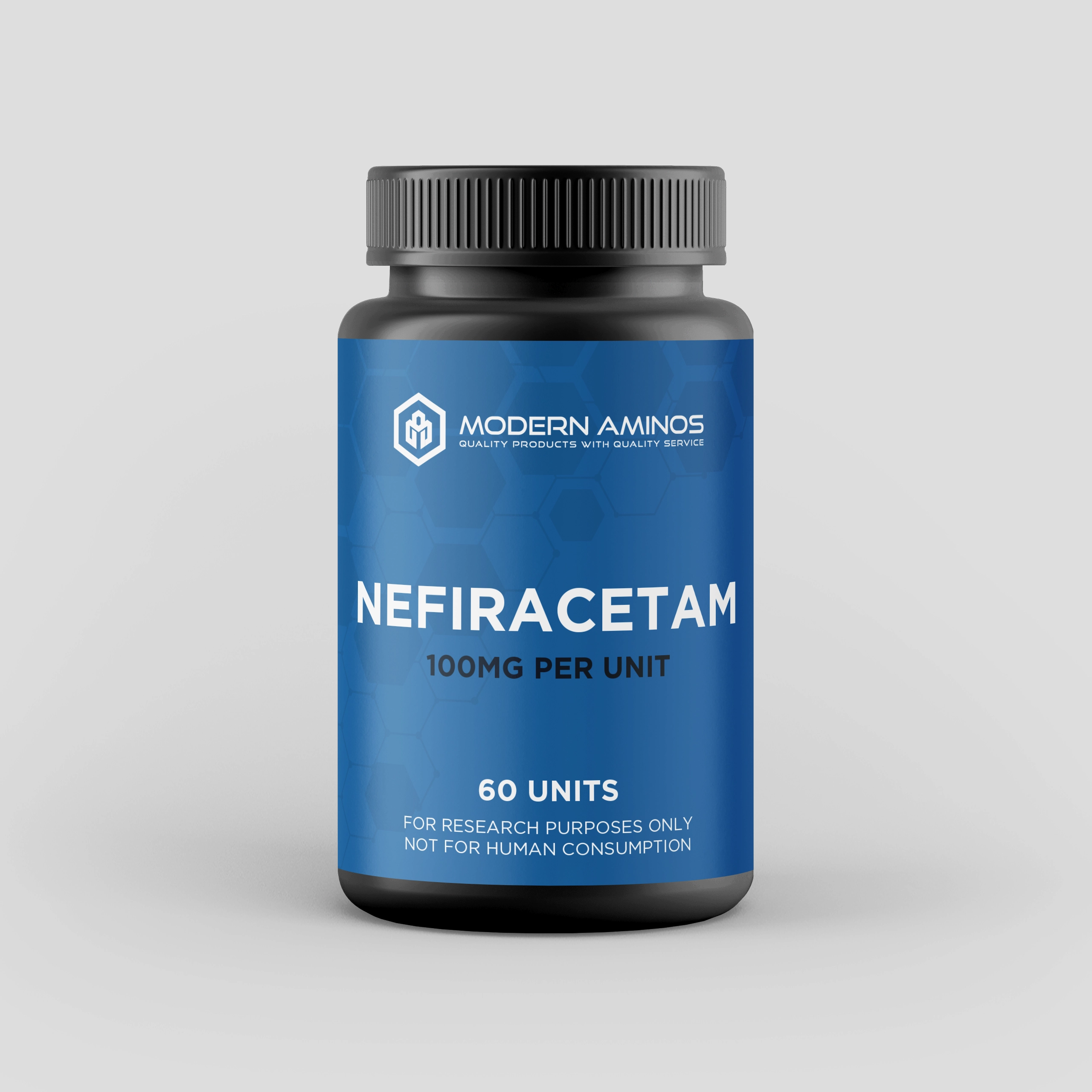

What Is Nefiracetam?
Nefiracetam is a nootropic compound in the racetam family that was originally developed for cognitive decline and neurological disorders. Like other racetams, it is used for cognitive support, but it is also known for potential mood support and anxiety reduction. It is fat soluble, which may help it cross the blood brain barrier more easily than water soluble racetams.
Mechanisms of Action
GABA receptor modulation: May enhance activity at GABA(A) receptors, supporting a calmer, anti anxiety effect without heavy sedation.
Cholinergic support: May increase acetylcholine signaling, which is tied to learning and memory.
NMDA receptor activity: May influence NMDA receptors involved in synaptic plasticity and learning, with effects linked to calcium signaling in neurons.
Neuroprotective signaling: May reduce neuroinflammation and oxidative stress markers, supporting long term brain health models.
Benefits
Memory support: Discussed for improving short term and long term memory by supporting synaptic plasticity and acetylcholine activity.
Anxiety reduction: Commonly discussed for promoting a calmer state, which may be useful in stressful or social situations.
Mood support: May influence dopamine and serotonin receptor sensitivity, which is why some people associate it with mood uplift.
Neuroprotection: Discussed in cognitive decline contexts due to protective signaling in brain models.
Learning capacity: Often used with the goal of improving learning efficiency and cognitive performance.
Dosing
Common dosing discussed is 100 to 300 mg per use. Many treat this as an occasional tool rather than a daily nootropic, for example using it before higher stress situations like interviews, presentations, or social events. Taking it too late in the day may increase the chance of sleep disruption.
Safety Profile
Nefiracetam is generally described as well tolerated, but potential side effects reported include:
Headaches (often linked to increased acetylcholine activity; some people find choline support helps)
Nausea or gastrointestinal discomfort (more common when starting)
Insomnia (especially if taken later in the day)
Overstimulation (more likely at higher amounts)
Potential liver stress (rare, discussed mainly with high dose or long term use)
Kidney stress signals in animal data (reported in dog studies)
Disclaimer: The information provided is intended solely for educational purposes and should not be considered a replacement for professional medical advice. All compounds referenced are not for human consumption.