
What Is Oxytocin?
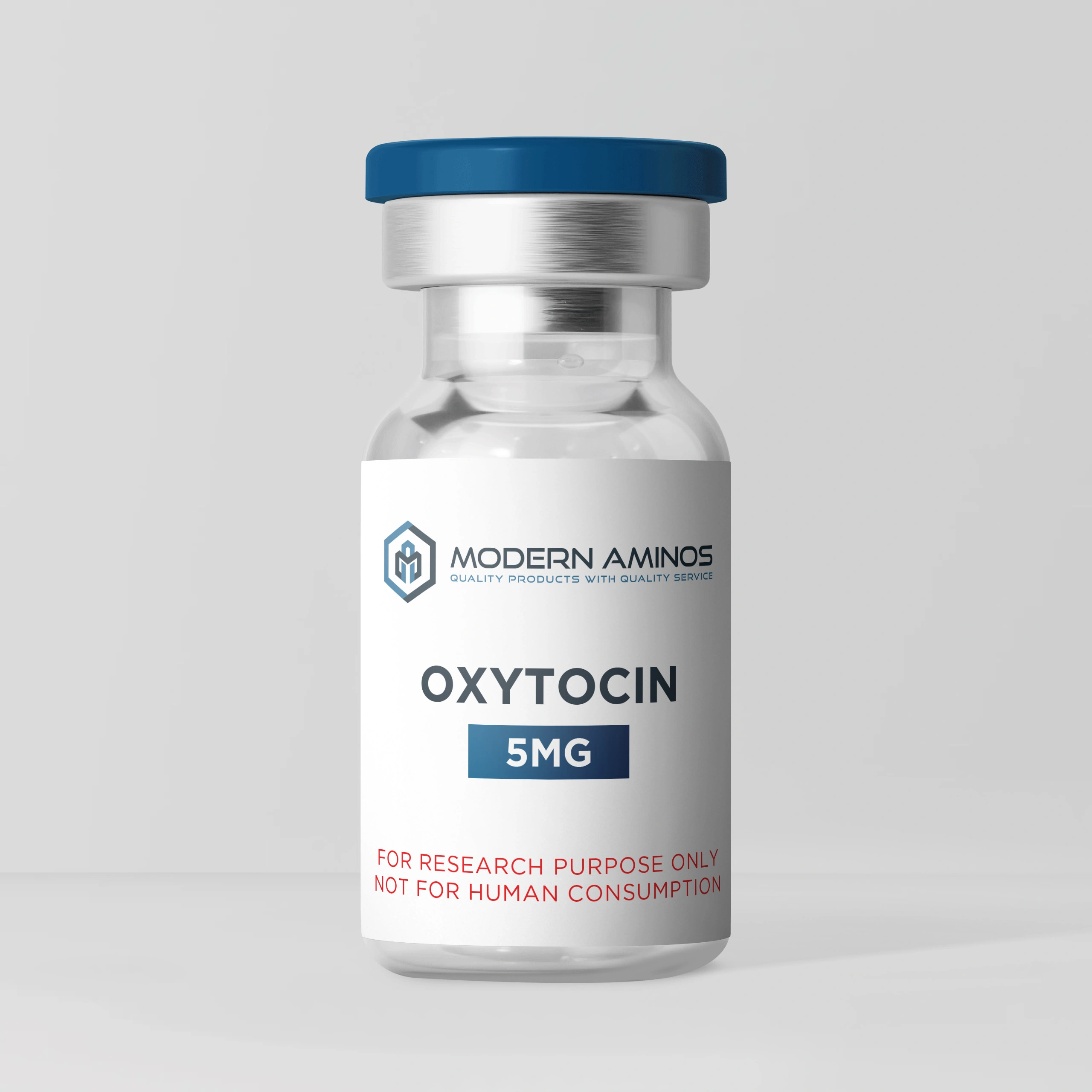
Oxytocin is a naturally occurring peptide hormone produced by the hypothalamus and secreted by the posterior pituitary gland. It is best known for its roles in social bonding, childbirth, lactation, and emotional regulation. Oxytocin has also attracted research interest in neurology, psychology, and metabolic models due to its potential relevance to anxiety, depression, autism, and stress related disorders.
Mechanisms of Action
Neuromodulation and social bonding support through modulation of brain regions involved in emotional regulation, including networks associated with trust, empathy, and social connection.
Smooth muscle contraction signaling that supports uterine contractions during childbirth and promotes milk ejection in breastfeeding contexts.
Anti stress and mood regulation effects that may lower cortisol signaling, enhance parasympathetic activity, and reduce anxiety related distress in select paradigms.
Benefits
Emotional bonding and stress reduction signals that may support trust, relationship bonding, and emotional resilience, with potential relevance in social anxiety or mood related models.
Childbirth and postpartum recovery support via uterine contraction signaling used in clinical contexts for labor induction and postpartum hemorrhage risk reduction.
Therapeutic research interest in mental health, including autism spectrum disorder, social anxiety, depression, and post traumatic stress disorder models.
Dosing
Strength | Dosage |
|---|---|
Low | 100 mcg/day |
Medium | 250 mcg/day |
High | 500+ mcg/day |
Safety Profile
Oxytocin is generally described as well tolerated, but potential side effects noted include mild headaches, nausea, or dizziness.
Some individuals may experience emotional fluctuations, particularly if sensitive to hormonal changes.
Overuse in pregnancy can contribute to uterine hyperstimulation, which may complicate labor.
Stacking
Sexual Support Stack
Oxytocin
PT-141
Tadalafil
Zofran
Anti Anxiety and Mood Stack
Oxytocin
Selank
PE-22-28
Disclaimer: The information provided is intended solely for educational purposes and should not be considered a replacement for professional medical advice. All compounds referenced are not for human consumption.