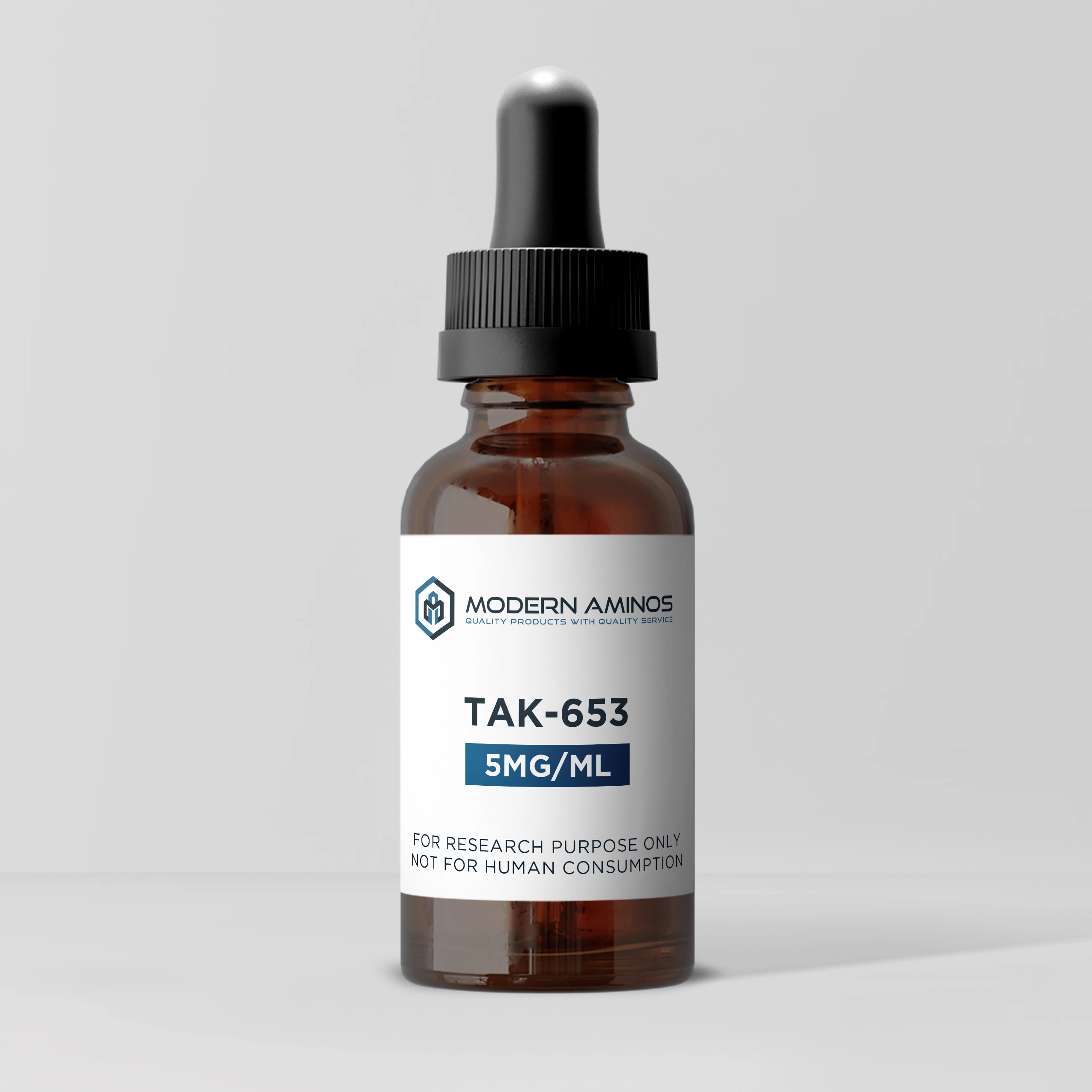

What is TAK-653?
TAK-653 (also called osavampator) is an investigational AMPA receptor positive allosteric modulator (an “ampakine style” compound) designed to enhance fast excitatory signaling in the brain while minimizing the seizure risk seen with older, higher impact AMPA potentiators.
Mechanisms of Action
AMPA potentiation (PAM): Binds the AMPA receptor in the glutamate bound state and helps keep signaling “on” a bit longer by reducing desensitization and enhancing synaptic gain.
Neuroplasticity signaling: In preclinical models, TAK-653 increases downstream plasticity pathways including BDNF related signaling and mTOR pathway activation (Akt ERK mTOR p70S6K phosphorylation reported in neurons).
Central target engagement: Human work using TMS showed changes consistent with increased cortical excitability, supporting brain penetration and on target activity.
Benefits
Mood and motivation support (clinical signal): In a Phase 2 trial in treatment resistant depression, 1 mg showed a statistically significant improvement vs placebo on MADRS at Day 28 (and Day 56 in the writeup).
Working memory support (preclinical): Improved working memory performance was reported in a primate delayed match to sample task at low doses.
Neuroplasticity support: Associated with increased BDNF signaling and synaptogenesis related pathways in animal models, which is the proposed “durability” engine behind mood and cognitive effects.
Stress axis normalization (preclinical): Primate chronic stress data described reductions in cortisol and IL 6 alongside behavioral improvements, suggesting a resilience angle.
Common dosing discussed in human studies is once daily oral dosing, with a key theme being an inverted U response:
In the Phase 2 depression study, 1 mg was effective while 3 mg was not, consistent with a bell curve where more is not better.
Reported human half life is roughly 33 to 48 hours, supporting steady levels with once daily use in trials.
Safety Profile
TAK-653’s profile in the provided review is described as relatively benign in trials, with important context:
Most common adverse events noted were nasopharyngitis, headache, and dizziness, with rates described as similar to placebo in the review.
Seizure risk context: Older ampakines had seizure liability, but TAK-653 is characterized as “low impact” with minimal intrinsic agonism and requiring glutamate presence to act, which is part of its safety rationale.
Dose discipline matters: The main practical risk highlighted is loss of benefit at the wrong dose due to the bell shaped response, not necessarily acute toxicity at higher tested amounts.
Disclaimer: The information provided is intended solely for educational purposes and should not be considered a replacement for professional medical advice. All compounds referenced are not for human consumption.